























Outdoor Heating Options: From Infratech to HeatScope and EcoSmart Fire Pits
When you’re in the market for an outdoor heater, there are several important elements you should consider to guarantee you make a smart purchase. Choosing the right fuel type is essential as it impacts both your convenience and environmental footprint. You also need to match the heater’s capacity with the size of your outdoor space to secure effective warmth. Additionally, the design should complement your outdoor décor while being practical. Interested in learning how these factors intertwine?
Key Takeaways
- Fuel Type: Evaluate the pros and cons of wood fuelled, propane, natural gas, and electric heaters for cost, convenience, and environmental impact.
- Heating Capacity: Ensure the heater’s BTU or watt rating matches the area size for effective warmth.
- Handy Features: Prioritise models with features like app control and easy installation.
- Design and Style: Choose a design that complements your outdoor décor, focusing on material quality and corrosion resistance.
Outdoor Heater Fuel Types
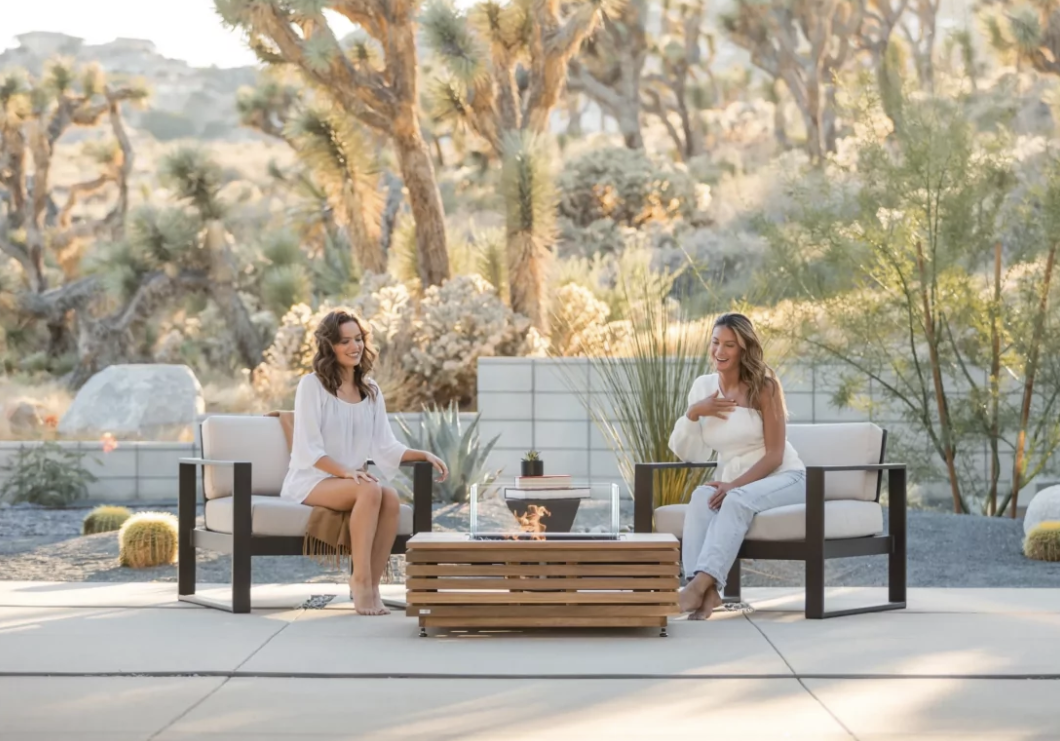
When choosing an outdoor heater, you’ll need to evaluate different fuel types, such as LPG, natural gas, electric, ethanol and wood, with each providing unique benefits or disadvantages.
Electric Outdoor Radiant Heaters
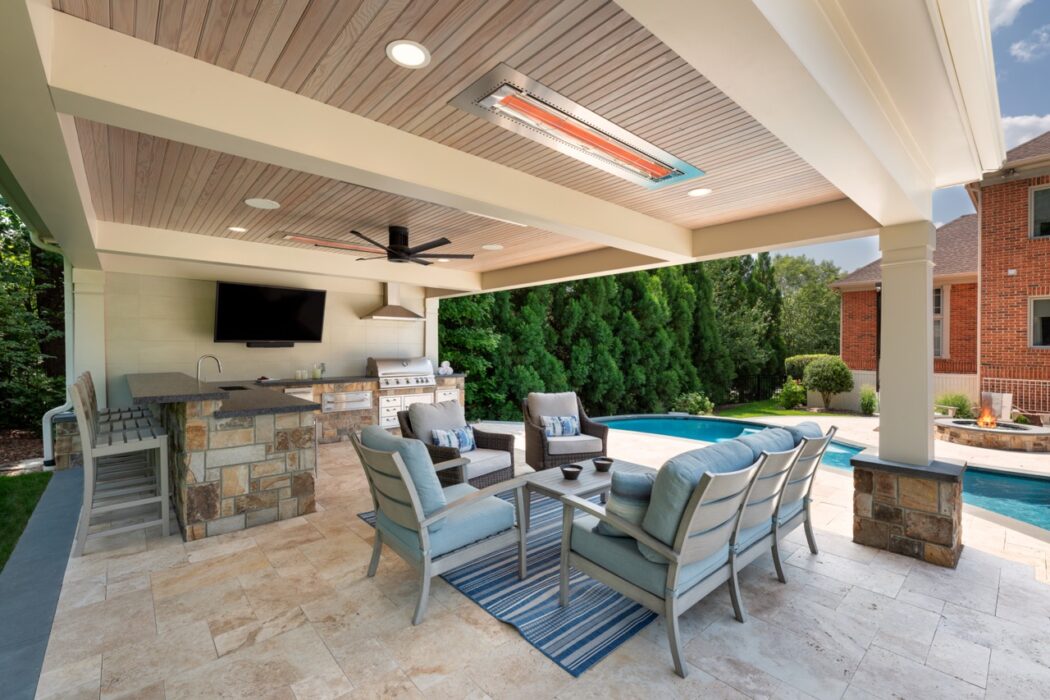
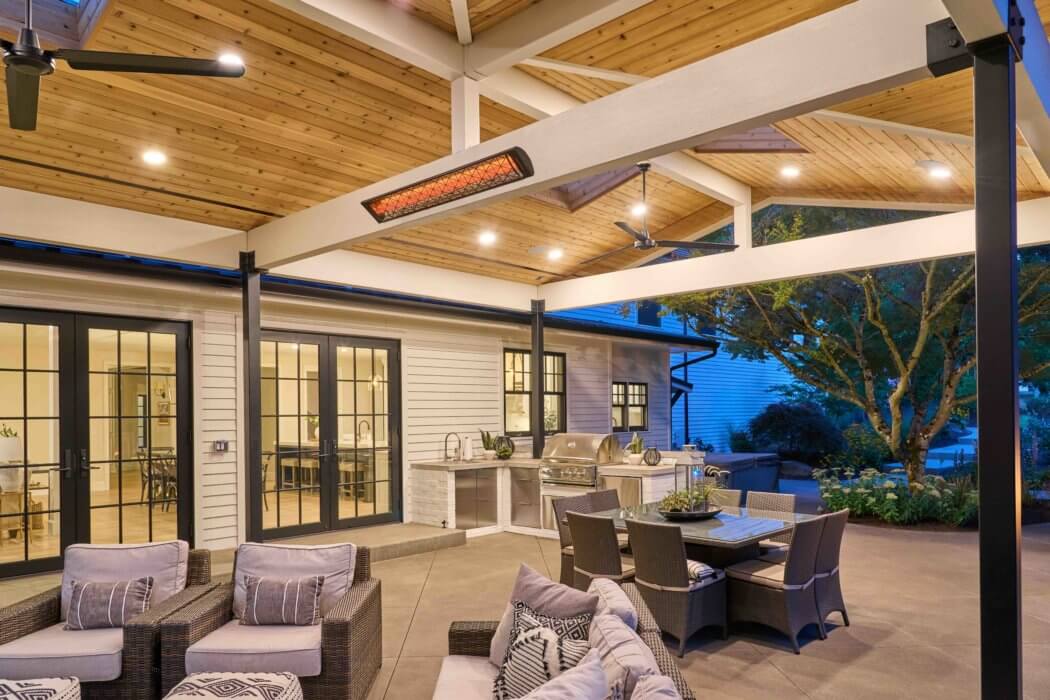
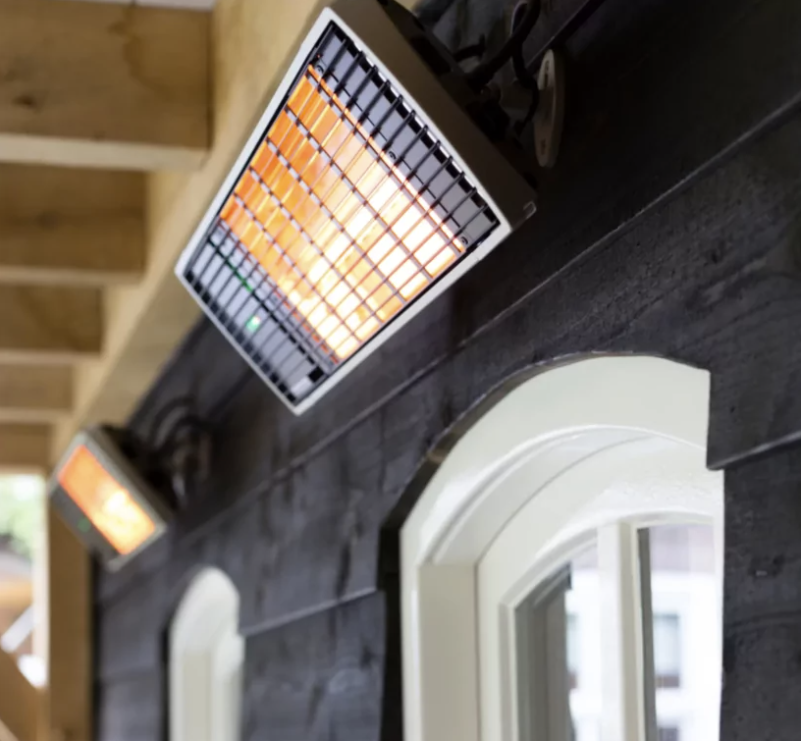
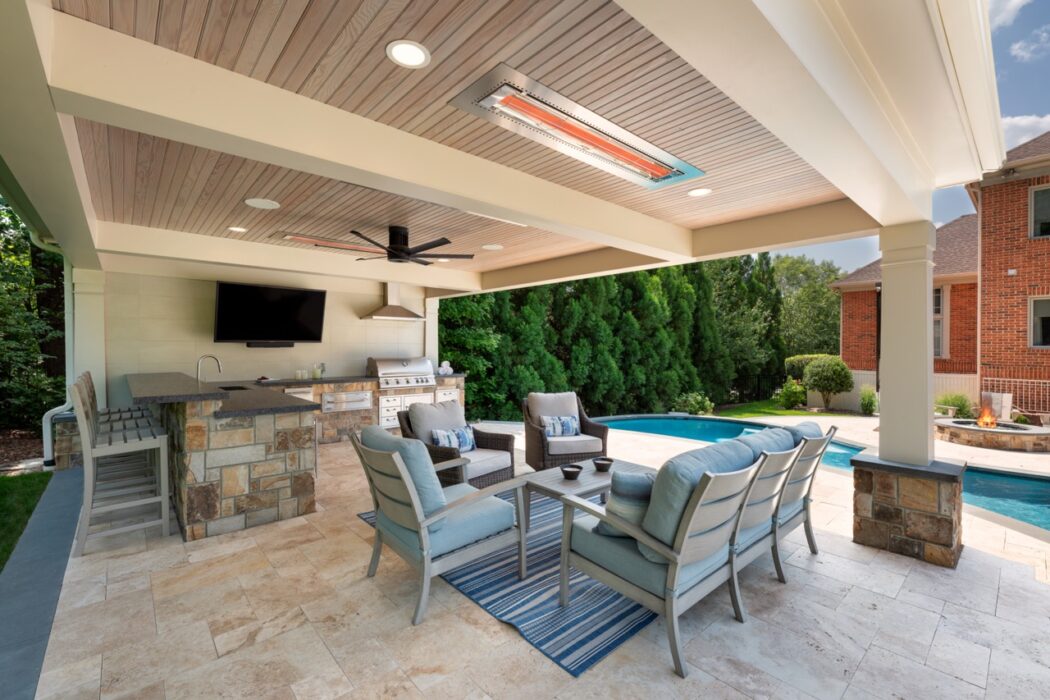
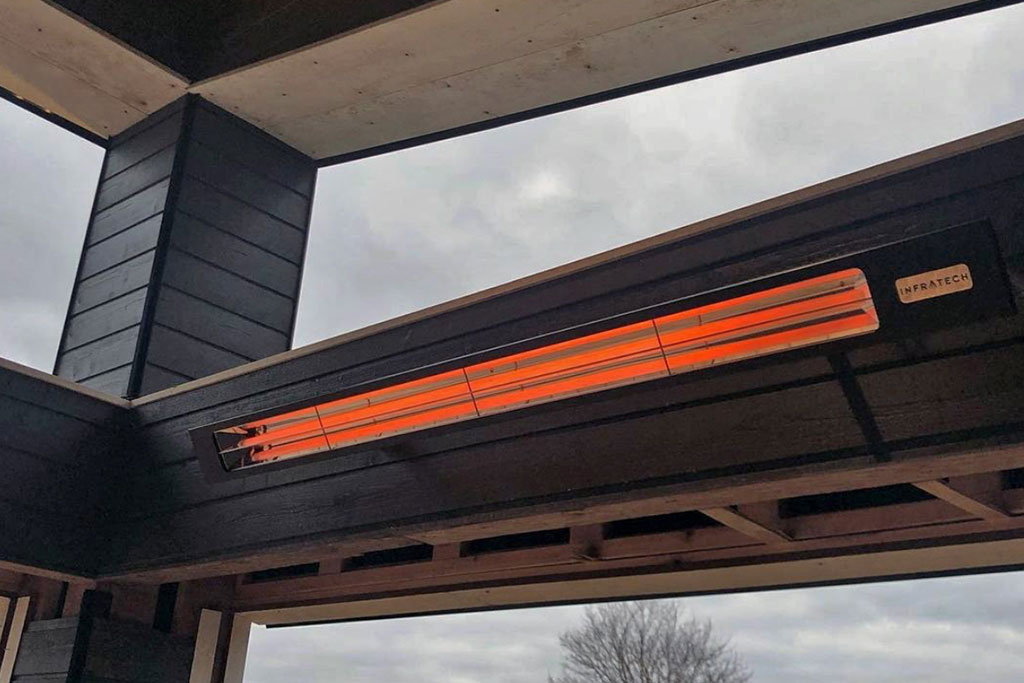
Electric outdoor radiant heaters, like those from Heatscope and Infratech, offer excellent efficiency, safety, and eco-friendliness. These heaters work by directly warming people and objects rather than the air, which means there’s no wasted energy. Models like the Heatscope Spot and Infratech Slimline Series are known for their sleek design, powerful performance, and ease of installation. Additionally, they are silent and emit no direct emissions, making them an environmentally responsible choice.
Ethanol Heaters
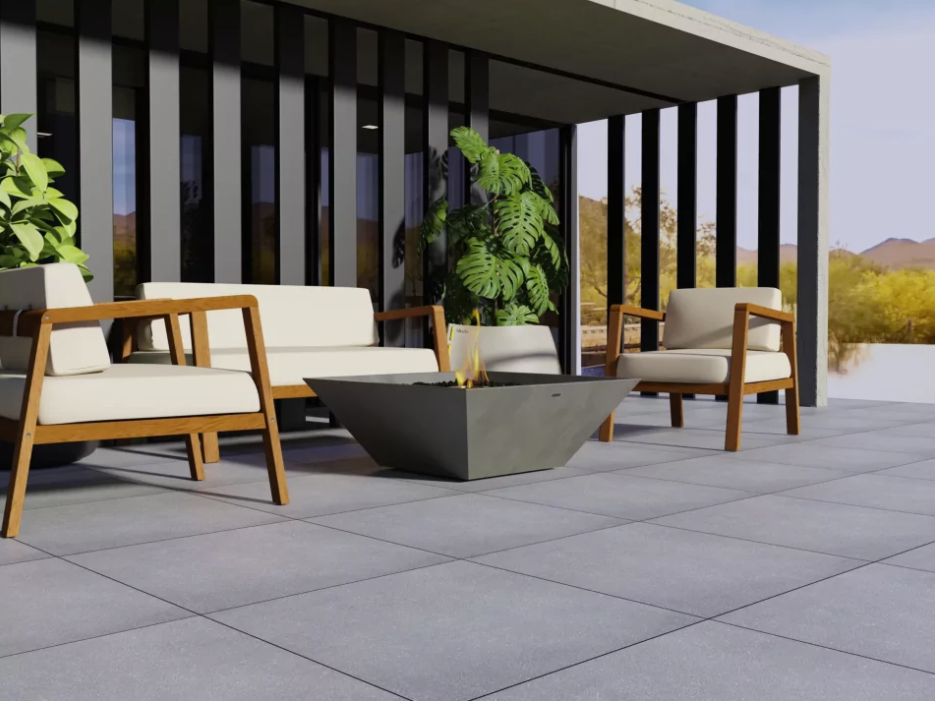
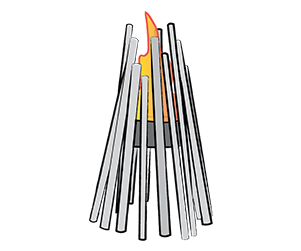
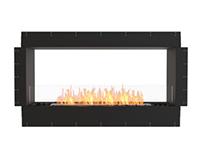
Ethanol heaters, such as those from EcoSmart, are a stylish and environmentally friendly way to achieve outdoor heating. They run on bioethanol, a renewable energy source, and do not require a chimney or flue, making installation straightforward. Models like the EcoSmart Mix Fire Bowls and EcoSmart Stix offer modern designs that can enhance the aesthetics of any outdoor space. These heaters are not only efficient but also portable, allowing you to move them as needed to suit your layout.
Propane and Natural Gas Heaters
Propane heaters are preferred for their portability and ease of setup, requiring only a propane tank and minimal assembly. However, their upkeep needs include regular tank refills and checking for gas leaks. Propane’s combustion process emits CO2, affecting the environment. Cost-wise, propane is often more expensive per BTU compared to natural gas. And most importantly, they are not an efficient form of heating compared to electric heaters, as they warm the air but not people or surfaces. Their cost effectiveness is far below that of electric radiant infrared heaters, which directly warm people in the same way that the sun does. There is no wasted heat, and therefore, no wasted energy.
Natural gas heaters, connected directly to your home’s gas line, offer a continuous fuel supply, eliminating the need for refills. The installation process is more intricate, requiring professional intervention to guarantee safe connection and compliance with local codes. Maintenance is minimal, mainly involving periodic inspections. Natural gas produces less CO2 than propane, providing a reduced environmental impact. These heaters have an effectiveness that is the same as their LPG cousins.
Drawbacks of Wood Fuelled Fire Pits
Wood fuelled fire pits, while traditional and aesthetically pleasing, have several drawbacks. They require a steady supply of firewood, which can be cumbersome to store and expensive over time. The smoke produced can be irritating and harmful, especially in enclosed outdoor spaces. Additionally, they require constant supervision and maintenance to manage the fire safely. In terms of efficiency, wood fuelled options are less effective compared to modern alternatives like electric and ethanol heaters.
Heating Capacity
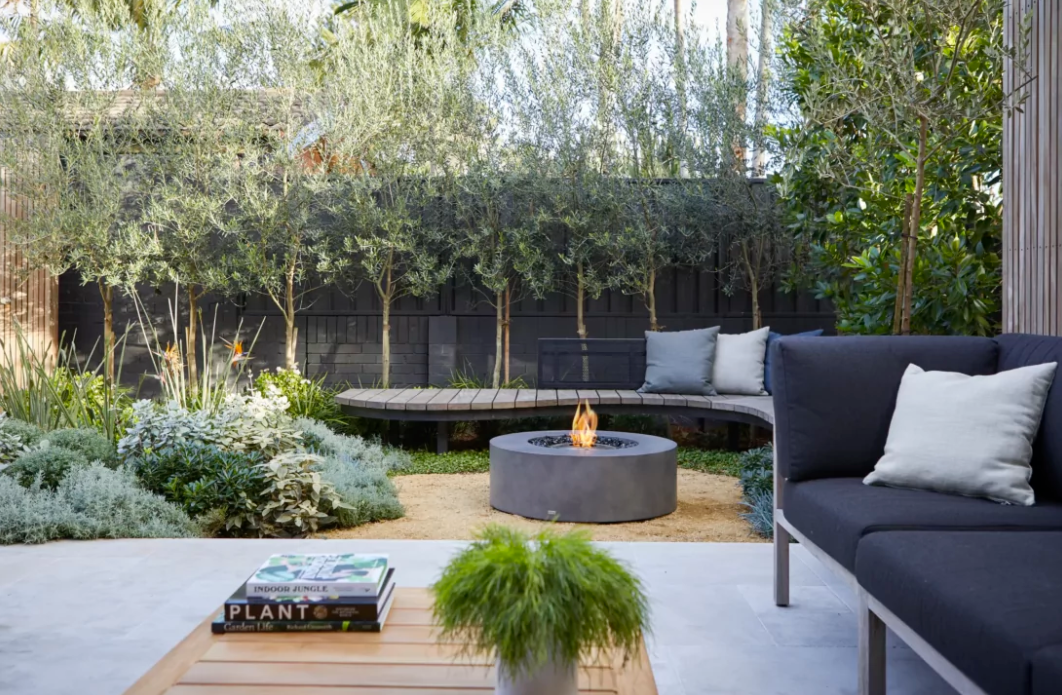
Heating capacity, measured in British Thermal Units (BTUs) or watts, directly determines the area an outdoor heater can effectively warm and is essential for selecting an appropriate model for your space. When evaluating heating capacity, calculate the square footage of the area you need to warm. Generally, you’ll require 100 watts or 340 BTUs per square metre. For instance, a 46-square-metre patio necessitates a heater outputting approximately 17,000 BTUs.The team at The Gas Showroom can help you to evaluate what sort of heating capacity you require for your space.
Consider installation tips: place the heater in a central location for best heat dispersion. Wall-mounted units often require precise positioning to ensure even heat distribution. Prioritise proximity to seating areas.
Maintenance requirements play a pivotal role in sustaining heating efficiency. Regularly inspect for blockages in gas lines and clean the reflectors and burners to achieve peak performance. Electric heaters need periodic checks for wiring integrity and dust accumulation. Routine maintenance ensures the longevity and reliability of your unit, preventing unexpected malfunctions.
Design and Style
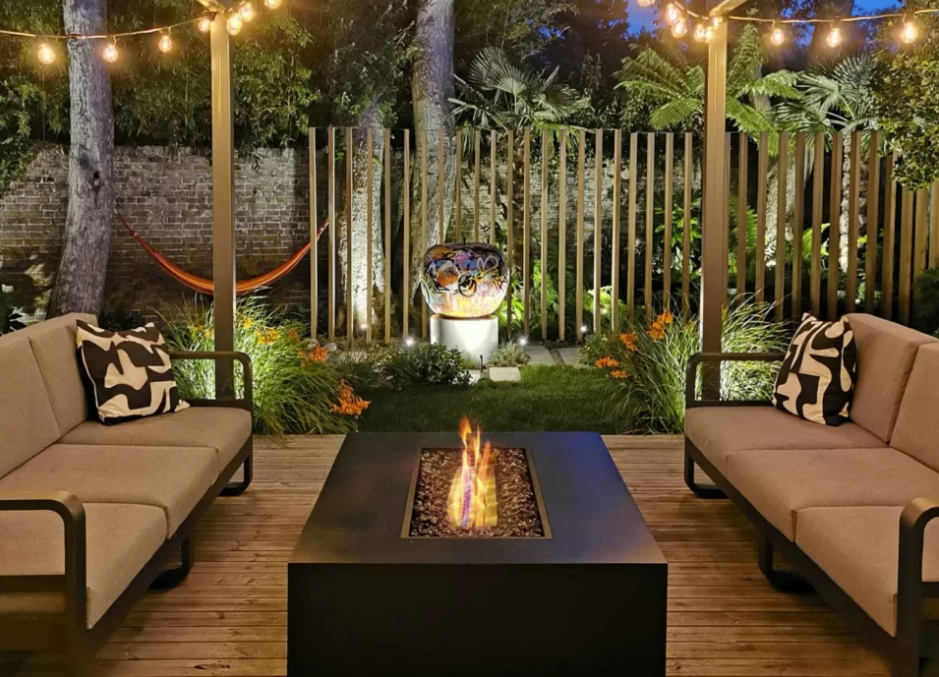
When considering the design and style of an outdoor heater, focus on its aesthetic appeal, material quality, and colour options.
You’ll want to guarantee the unit complements your outdoor décor while utilising corrosion-resistant materials for longevity.
Additionally, a diverse palette of colour choices can help integrate the heater seamlessly into your existing design scheme.
Aesthetic Appeal
EcoSmart offers models that are extremely stylish and attractive. They can be easily moved and use ethanol, which does not require a chimney or flue. With options for wall-mounted, freestanding, or inbuilt units, they provide flexibility and elegance. EcoSmart Manhattan Fire Pit Tables and EcoSmart Vertigo Fire Pit Tables are examples of modern designs that can transform your outdoor space.
Aesthetic appeal in outdoor heaters hinges on intricate design elements and material choices that seamlessly integrate with your exterior décor while maintaining functionality. When selecting an outdoor heater, you’ll want to ponder the latest design trends to ensure it complements your space.
Recent design trends emphasise sleek, minimalist lines. You’ll notice a move towards slim profiles, neutral colour palettes, and modern finishes like brushed steel or matte black. These heaters blend effortlessly with contemporary outdoor décor, providing both warmth and a stylish focal point.
- Customizable Panels: Some models feature interchangeable panels, allowing you to switch colours or patterns to harmonise with seasonal décor changes.
- Versatile Geometries: Look for heaters with adjustable heights and angular shapes that can adapt to various seating arrangements.
- Integrated Lighting: Many modern heaters incorporate LED lighting, enhancing both functionality and ambiance.
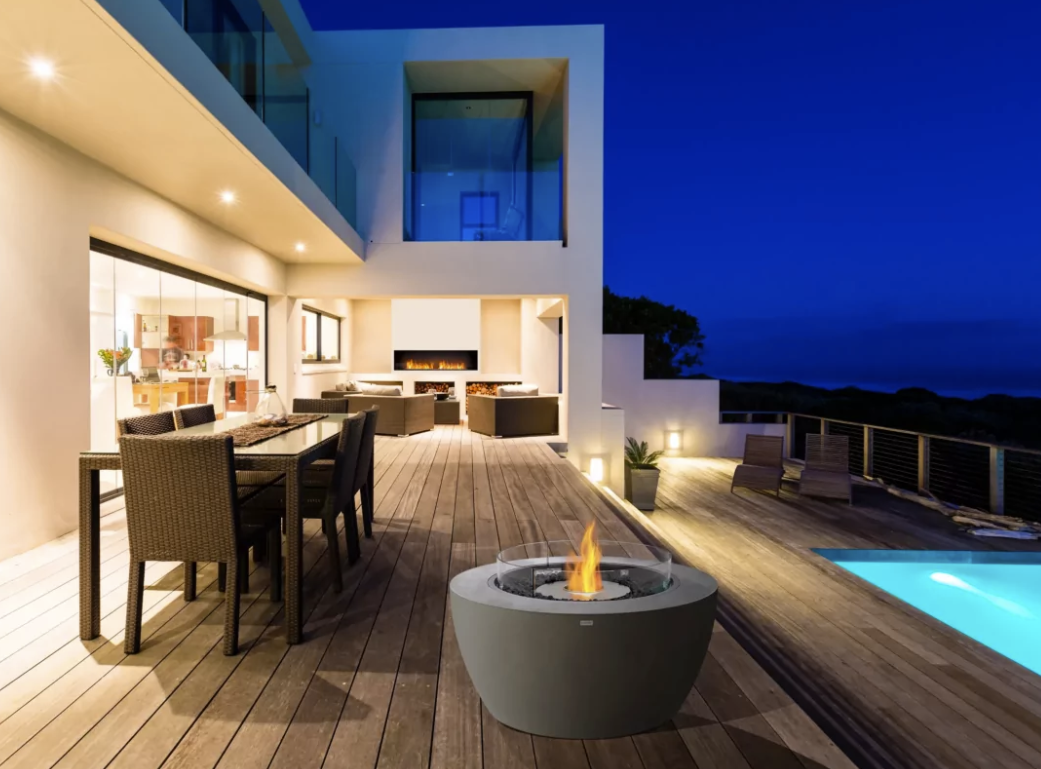
The key is to choose a heater that not only provides effective heating but also enhances your outdoor aesthetic. Aligning with current design trends means your heater won’t only be a functional asset but also an integral part of your outdoor décor. Always prioritise designs that reflect your personal style while adhering to the overarching theme of your outdoor space.
Material Quality
Choosing an outdoor heater with exceptional material quality guarantees longevity and enhances the sophisticated design elements discussed earlier. Opt for heaters constructed from high-grade stainless steel or powder-coated aluminium, as these materials exhibit superior durability and resistance to harsh weather conditions. Stainless steel, known for its corrosion-resistant properties, minimises oxidation and rust formation, thereby extending the heater’s lifespan. Powder-coated aluminium, on the other hand, offers a robust yet lightweight structure, guaranteeing ease of mobility without compromising strength.
When evaluating maintenance requirements, consider the material’s susceptibility to wear and tear. Stainless steel heaters necessitate minimal upkeep—periodic cleaning with a mild detergent and a soft cloth will suffice to maintain their pristine appearance. Powder-coated aluminium models demand slightly more attention; inspect the coating regularly for chips or scratches to prevent potential corrosion.
Additionally, ensure the fasteners, such as screws and bolts, are made from rust-resistant materials like stainless steel or brass to maintain structural integrity. Choosing high-quality materials not only guarantees durability but also reduces maintenance efforts, allowing you to enjoy a seamless outdoor heating experience. Prioritising these aspects will secure your heater remains both functional and aesthetically pleasing over time.
Colour Options
Diverse colour choices in outdoor heaters allow for seamless integration into various design aesthetics, guaranteeing your heating solution complements your outdoor décor while maintaining a professional and polished appearance. When selecting an outdoor heater, consider how the colour aligns with your existing furniture, fixtures, and overall theme. The right choice can elevate your space’s visual appeal while providing the necessary warmth.
Ecosmart offers a wide range of colour finishes that cater to different size configurations. This flexibility allows you to match your heater to the specific requirements of your outdoor space.
Weather resistance is crucial; opt for colour finishes that incorporate weather-resistant coatings. These finishes not only enhance longevity but also ensure that the heater maintains its aesthetic appeal despite exposure to elements like rain, sun, and wind.
Some manufacturers provide bespoke colour choices, allowing you to tailor the heater’s appearance to your precise specifications. This customisation can include unique hues and patterns that further integrate the heater into your outdoor décor.
Choosing the right colour involves balancing aesthetic preferences with practical considerations like weather resistance and available size alternatives. Your brand preferences will also influence the variety of colours and finishes available, guaranteeing a cohesive and stylish outdoor environment.
Portability
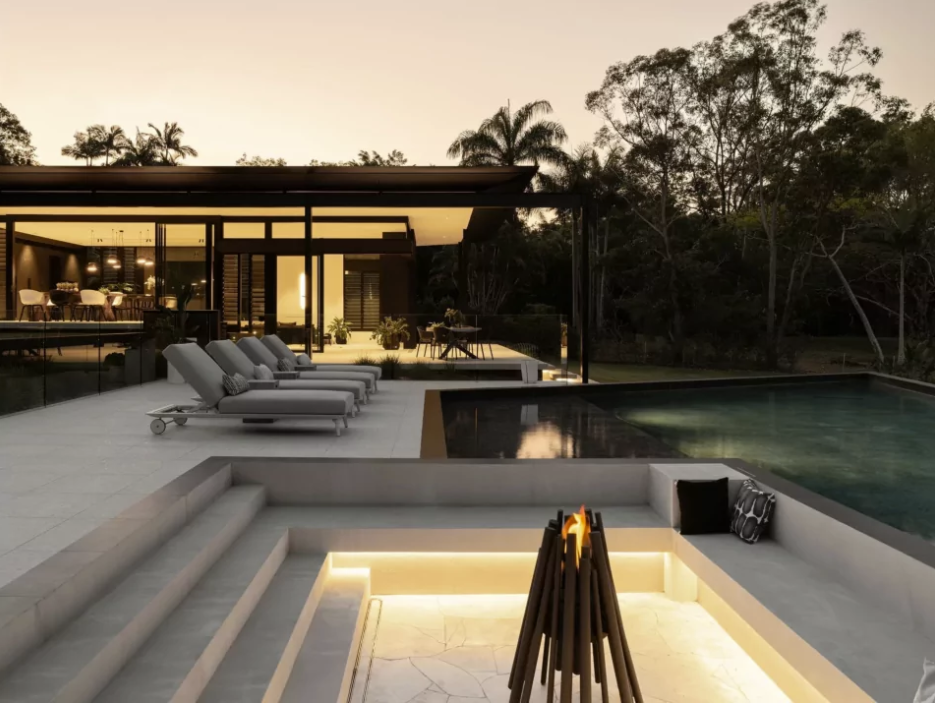
EcoSmart leads the way in portable outdoor heaters, offering models that are easy to move and set up. For instance, the EcoSmart Pod Fire Pit Bowl and EcoSmart Stix are designed to be lightweight yet sturdy, allowing you to reconfigure your outdoor space effortlessly.
When evaluating portability in outdoor heaters, prioritise units with integrated wheels and lightweight materials to facilitate easy relocation and storage. Look for models constructed with aluminium or high-quality steel to balance durability and manageable weight.
Assess the weight capacity of the heater, ensuring it aligns with your intended usage and the frequency of moving the unit. Heaters with lower weight capacities are generally easier to manoeuvre, but make sure they don’t compromise on performance or stability.
Consider the heater’s footprint when evaluating storage options. Compact designs minimise spatial requirements, making them suitable for areas with limited storage space. Models with detachable fuel tanks or foldable elements offer additional convenience for storage.
Ultimately, a portable outdoor heater should combine lightweight construction, efficient wheel systems, and thoughtful design to facilitate seamless mobility and storage without compromising operational efficacy.
Cost and Efficiency
Evaluating the cost-efficiency ratio of outdoor heaters involves scrutinising initial purchase price, operational expenses, and energy consumption metrics. When considering an outdoor heater, balancing upfront costs with long-term savings is crucial. While cheaper models might catch your eye, their inefficient energy consumption could inflate your utility bills over time. Conversely, premium models often boast advanced energy-saving technologies that pay off in the long run.
Energy Efficiency Ratings
Look for units with high energy ratings to ensure you are getting the most cost-effective operation. Heatscope and Infratech models, for example, are designed with energy efficiency in mind, providing powerful heat output with minimal energy consumption.
Fuel Type
Determine whether the heater uses electricity, ethanol, natural gas, or propane. Each has different cost implications and efficiency levels.
Coverage Area
Assess the heater’s BTU (British Thermal Unit) rating to understand its heating performance and how large an area it can effectively warm. Heating performance and coverage area are critical when evaluating operational efficiency. High BTU heaters are ideal for larger spaces but may consume more energy. Conversely, lower BTU models might save on energy but may not provide adequate warmth for extensive areas.
Conclusion
When you’re buying an outdoor heater, focusing on fuel types, heating capacity, safety features, design, portability, and efficiency is essential.
Don’t overlook safety mechanisms like tip-over protection and overheat shut-off.
Prioritise designs that enhance your outdoor aesthetics and guarantee portability for flexible use.
Ultimately, invest in a cost-effective, energy-efficient model for long-term satisfaction.
Come on in and see Kylie and Jodie – The Gas Girls – at The Gas Showroom!




