























Choosing the Right Gas Hot Water System for You
Choosing the right gas hot water system can feel like finding your way through a maze, but with the right advice, you’ll find the perfect match for your needs. Start by evaluating your household’s hot water demands and consider whether a tankless or storage tank system better fits your lifestyle. Efficiency is crucial, so search for models with high energy factor ratings. Installation requirements and budget limitations also play significant roles in your decision. Taking the environmental impact into account is equally crucial. Ready to explore the details that will assist you in making an informed choice? Let’s get started.
Key Takeaways
- Evaluate if a tankless or storage tank system suits your efficiency and space needs.
- Study the major brands like Rinnai for quality and warranty.
- Check the Energy Rating for overall efficiency and potential energy savings.
- Ensure the system meets installation requirements, including space, plumbing, and ventilation.
- Balance initial costs against long-term operating expenses and potential government rebates.
Types of Gas Hot Water Systems
There are various types of gas hot water systems, each designed to meet different efficiency, capacity, and installation requirements. When evaluating these systems, you should take into account the brand comparison and size options.
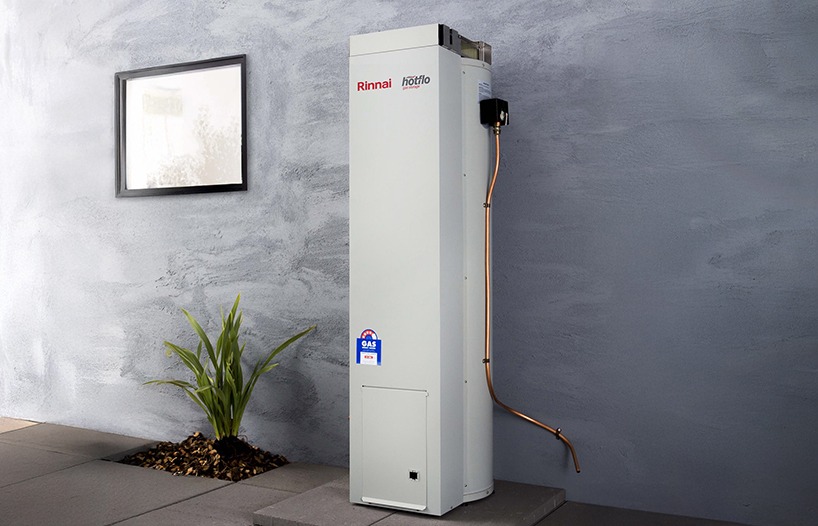
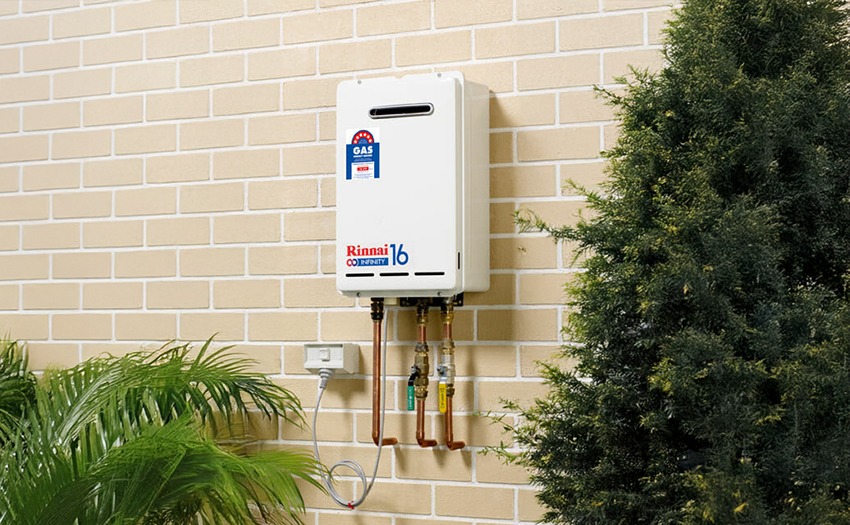
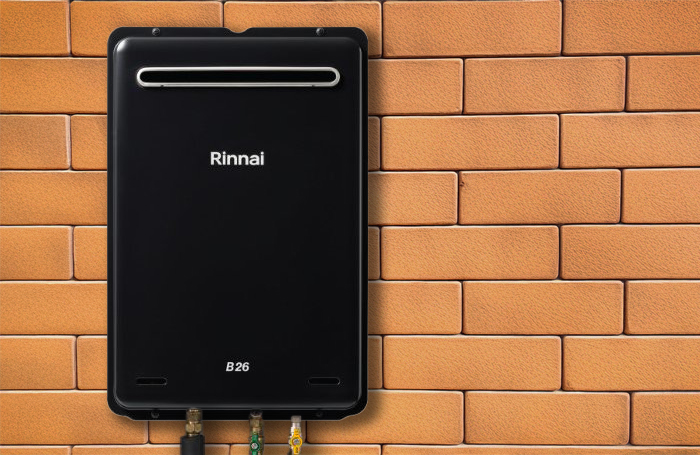
Major brands like Rinnai offer different models, each with unique features and performance metrics. Size options typically range from compact units suitable for small households to larger systems designed for homes with higher hot water demands. For instance, the Rinnai B16 Natural Gas Hot Water Heater is great for smaller households, while the Rinnai Infinity 32 Gas Hot Water system is ideal for larger families.
Warranty coverage is another important aspect to consider. Most reputable brands provide warranties that cover parts and labour for a specified period, usually between 5 to 12 years, depending on the model and manufacturer. You should read the warranty details carefully to understand what’s included and any conditions that might void it.
Maintenance tips are essential for ensuring the longevity and efficiency of your gas hot water system. Regularly inspect the anode rod for corrosion, flush the tank to remove sediment build-up, and check the gas line connections for leaks. At The Gas Showroom, we’re on hand to offer the best advice on how to check for and maintain your system’s efficiency.
Tankless Vs. Storage Tanks
When choosing between tankless and storage tank gas hot water systems, you must evaluate factors such as efficiency, installation space, and hot water demand.
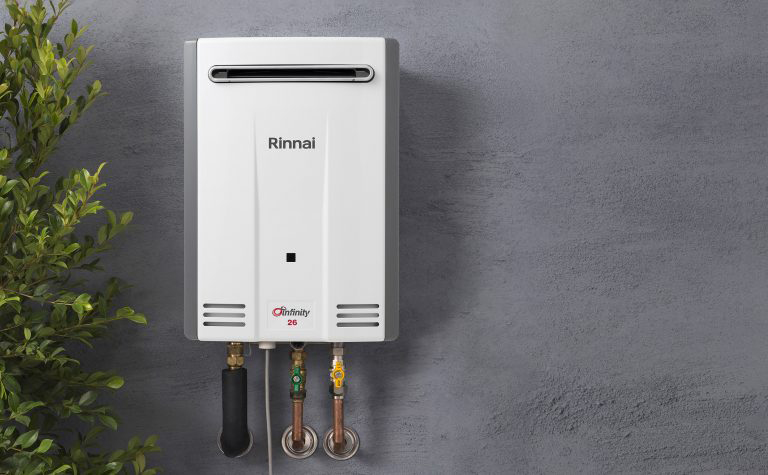
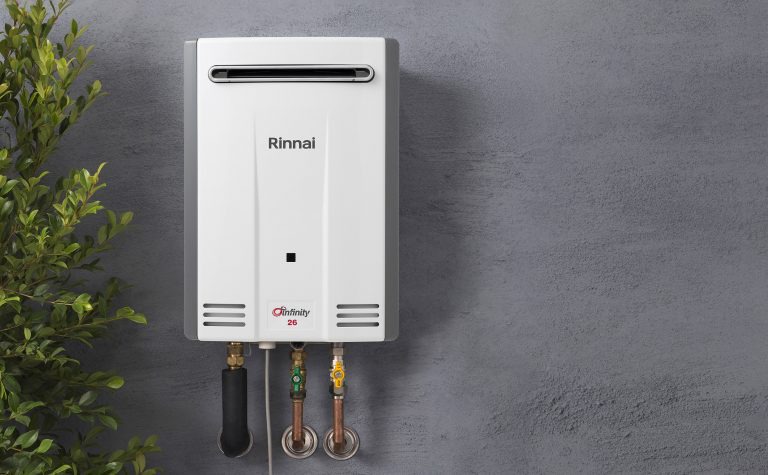
Tankless water heaters, also known as on-demand systems, offer significant benefits. They heat water only when needed, reducing standby energy losses and providing an unlimited supply of hot water. This makes them highly efficient and ideal for households with varying hot water usage patterns. Models like the Rinnai Infinity 26 Touch Hot Water Heater are compact and efficient, freeing up valuable floor space and allowing for versatile installation options.
In contrast, storage tank water heaters come with their own set of benefits. These systems continuously heat and store a large volume of water, which can sometimes lead to higher energy consumption due to standby heat losses. However, they provide a large volume of hot water on hand, making them suitable for households with high peak usage. Rinnai 135 litre Gas Hot Water System and Rinnai 170 litre Gas Hot Water System are excellent choices for larger households.
Ultimately, understanding the tankless benefits and storage tank idiosyncrasies will guide you in selecting a gas hot water system that best suits your household’s specific needs and constraints.
Energy Efficiency Considerations
Assessing the energy efficiency of gas hot water systems involves analysing factors like fuel consumption, heat retention, and operational performance. You need to look at the energy rating, which measures the system’s overall efficiency. Higher ratings indicate better efficiency, meaning less gas consumption and lower utility bills.
One of the energy-saving tips is to choose a system with condensing technology. Condensing gas hot water systems, like the Rinnai Infinity 26 Enviro, capture and reuse heat from exhaust gases, notably reducing energy waste. This technology not only offers superior efficiency but also aligns with eco-friendly options by minimising carbon emissions.
Another critical aspect is insulation. Systems with exceptional tank or pipe insulation maintain water temperature longer, reducing the need for frequent reheating.
When selecting a tankless system, consider models with modulating burners that adjust the flame size to match the hot water demand, which greatly enhances operational performance.
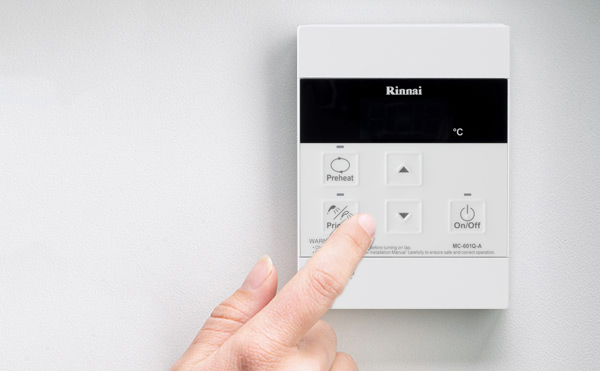
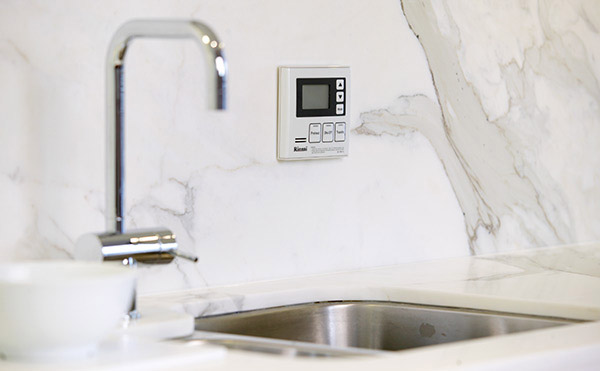
Furthermore, look for systems with programmable thermostats. The Rinnai Universal Hot Water Controller allows you to set precise temperatures, ensuring efficient energy use.
Installation Requirements
Proper installation of gas hot water systems is essential for ensuring best performance, safety, and regulatory compliance. When considering installation, you need to evaluate space constraints. Measure the area where you plan to install the unit, ensuring there’s enough clearance for maintenance and operation. Gas hot water systems often require specific space allocations to adhere to safety concerns and local building codes.
Next, assess your plumbing needs. The system must connect seamlessly with your existing plumbing infrastructure, which may involve modifications to pipes and fittings. Ensuring compatibility with your home’s water pressure and flow rates is pivotal to avoid operational inefficiencies or system failures.
Ventilation requirements are another vital factor. Gas hot water systems produce combustion by-products that must be safely expelled. Check if your installation site can support adequate ventilation, such as vent pipes or flue systems, to prevent hazardous build-up of gases like carbon monoxide. This isn’t just a safety concern but also a legal requirement in many jurisdictions. The Gas Showroom can point you in the right direction when it comes to finding out about these concerns.

Budget and Cost Analysis
When considering gas hot water systems, you’ll need to evaluate the initial purchase price and long-term operating costs. Analysing these factors provides insight into the total cost of ownership over the system’s lifespan. This assessment guarantees you make an informed decision, balancing upfront investment with ongoing expenses.
Initial Purchase Price
Understanding the initial purchase price of gas hot water systems is critical for conducting a thorough budget and cost analysis. When evaluating your options, you’ll need to take into account several factors to make an informed decision.
Here’s a detailed breakdown to guide you:
- Brand Comparison: Different brands offer varying levels of quality, efficiency, and price points. It’s important to compare brands to find one that balances cost and performance according to your needs. Rinnai, for instance, offers a range of models from the budget-friendly Rinnai B16 Natural Gas Hot Water Heater to the more advanced Rinnai Infinity 26 Touch Hot Water Heater.
- Warranty Options: Check the warranty terms provided by different manufacturers. A longer warranty might cost more upfront but can offer substantial savings on repairs and replacements over the system’s lifespan.
- Government Rebates: Look into available government rebates or incentives for energy-efficient gas hot water systems. These programs can significantly lessen your initial outlay, making a higher-priced, more efficient model more affordable.
Long-term Operating Costs
While the initial purchase price provides a snapshot of upfront expenditure, the long-term operating costs are equally important for a thorough budget and cost analysis.
When evaluating gas hot water systems, you should consider maintenance expenses, which can vary based on the system’s complexity and frequency of required servicing. Regular maintenance ensures peak performance, reducing the likelihood of unexpected repair costs.
Energy savings are another critical factor. High-efficiency models might’ve a higher initial cost but can offer significant energy savings over time, effectively lowering your monthly utility bills. Evaluating the energy efficiency rating of each system will provide insight into potential savings.
Repair costs can add up if the system is prone to breakdowns. Investigate the durability of the components and the availability of replacement parts. Choose systems with inclusive warranty coverage that includes both parts and labour. This can mitigate unforeseen expenses and provide peace of mind.
Environmental Impact
Due to their reliance on fossil fuels, gas hot water systems contribute noticeably to greenhouse gas emissions, impacting environmental sustainability.
When you assess the environmental impact of these systems, it’s important to take into account their carbon footprint and potential for integrating sustainability practices. Gas systems emit carbon dioxide (CO2) during combustion, which directly adds to global warming. Additionally, methane leaks from natural gas infrastructure further worsen this issue.
To mitigate these impacts, take into account the following:
- Efficiency Ratings: Choose a system with a high energy efficiency rating. Efficient systems consume less gas, thereby reducing CO2 emissions. Models like the Rinnai Infinity 26 Enviro are designed with this in mind.
- Regular Maintenance: Make sure to perform regular maintenance to optimise performance and reduce emissions. Poorly maintained systems often release more greenhouse gases.
- Alternative Energy Integration: If possible, incorporate your gas system with renewable energy sources like solar hot water systems. This hybrid approach can significantly lower your carbon footprint.
- Advanced Technology: Opt for systems with advanced combustion technology, which can minimise methane leaks and improve overall efficiency.
Conclusion
Choosing the right gas hot water system involves balancing efficiency, capacity, and budget. Evaluate the different types of systems, such as tankless and storage tanks, to find what suits your household needs. Pay attention to energy efficiency ratings and installation requirements to ensure long-term savings and regulatory compliance. By considering the environmental impact and integrating advanced technologies, you can make a more sustainable choice. For personalised advice and a wide range of Rinnai gas hot water systems, visit The Gas Showroom and consult with Kylie and Jodie, the Gas Girls, who are ready to help you find the perfect solution for your home.

Frequently Asked Questions
How long should a gas hot water system last?
A well-maintained gas hot water system typically lasts between 10 to 15 years. The lifespan can vary based on the quality of the unit, installation, water quality, and regular maintenance. Rinnai gas hot water systems, available at The Gas Showroom, are known for their durability and reliability, often exceeding this average lifespan with proper care. Regular inspections and timely servicing, such as descaling and flushing the tank, can extend the system’s operational life significantly.
Is gas hot water cheaper than electric?
Generally, gas hot water systems are cheaper to run than electric systems due to the lower cost of natural gas compared to electricity. Gas heaters, like the Rinnai Infinity 26 Continuous Flow Hot Water System, are highly efficient and can significantly reduce energy bills. While the initial installation cost of gas systems might be higher, the long-term savings on energy bills usually offset this initial expense.
What are the advantages of a gas hot water system?
Gas hot water systems offer several advantages:
- Efficiency: Gas water heaters, particularly continuous flow models like the Rinnai Infinity 32 Gas Hot Water system, heat water on demand, reducing energy wastage.
- Cost-effective: Lower operational costs due to the cheaper price of natural gas compared to electricity.
- Reliability: Gas heaters provide a continuous supply of hot water, which is especially beneficial for larger households.
- Environmentally friendly: Modern gas water heaters have lower greenhouse gas emissions compared to older electric storage systems.
What is the cheapest way to heat hot water?
The cheapest way to heat hot water typically involves using a high-efficiency gas water heater or solar-boosted system. Rinnai gas hot water systems are designed for high efficiency, with models like the Rinnai Infinity 26 Enviro offering advanced technology to maximise energy savings. Combining a gas system with solar water heating can further reduce costs, as solar energy is free and renewable.
How can I save money on gas hot water?
To save money on gas hot water, consider the following tips:
- Choose an efficient model: Opt for high-efficiency units like the Rinnai Infinity 26 Enviro, which utilise advanced technology to minimise gas consumption.
- Regular maintenance: Keep your system in top condition with regular servicing, such as descaling and sediment flushing.
- Use water controllers: Install Rinnai Universal Hot Water Controller or Rinnai Deluxe Kitchen Controller to precisely manage water temperature and reduce wastage.
- Insulate your pipes: This reduces heat loss, ensuring that hot water reaches your taps faster.
- Monitor usage: Be mindful of your hot water usage patterns and try to spread out demand to avoid overloading the system.